Portfolio
Oil & Gas
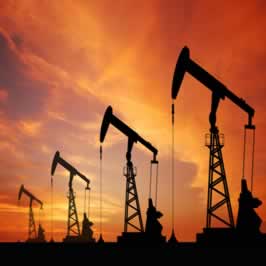
SUCCESSFUL POLICIES FOR INVESTMENT IN OIL AND GAS
This covers the unfair calling of advance payment bonds, performance bonds, warranty
bonds, maintenance bonds, retention bonds or customs bonds etc., issued in support of
the supply of goods or services in the oil sector by a buyer or buyer’s bank, arising
from defined transaction events. This cover can safeguard investors / partners in
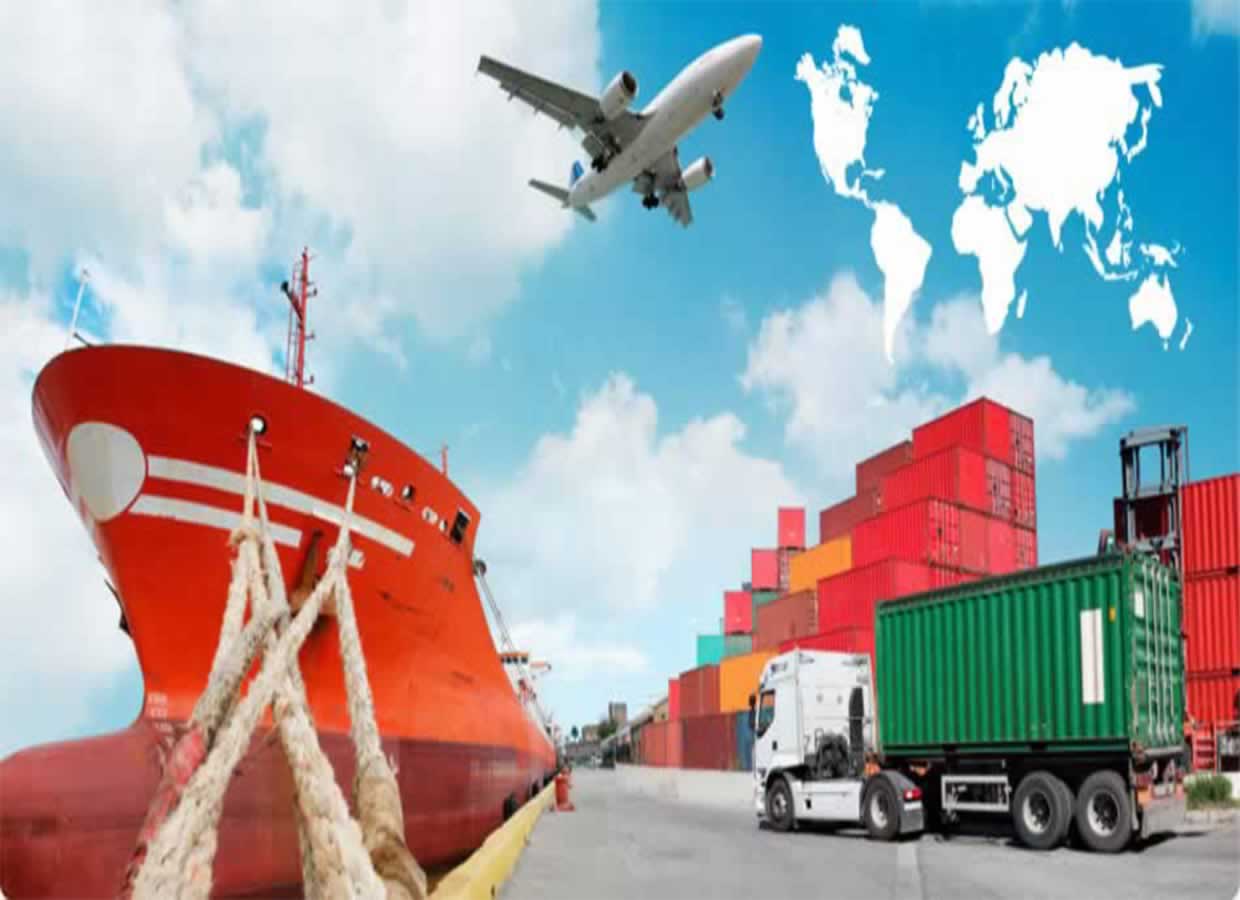
working with our logistics provider to have a successful delivery.

CLIENT
MINDSPARKLE SHOP
DESIGNER
MR JOHN
CLIENT
MINDSPARKLE SHOP
WEBSITE
OSECOWORLD.COM
PROJECT WITH DESCRIPTION EXAMPLE
This covers the unfair calling of advance payment bonds, performance bonds, warranty
bonds, maintenance bonds, retention bonds or customs bonds etc., issued in support of
the supply of goods or services in the oil sector by a buyer or buyer’s bank, arising
from defined transaction events. This cover can safeguard investors / partners in
working with our logistics provider to have a successful delivery.
FAQs
What is the fundamental difference between "upstream" and "downstream" operations?
Upstream operations involve the exploration and production (E&P) of crude oil and natural gas. Downstream operations focus on the refining, marketing, and distribution of the finished petroleum products.
What are the three primary types of oil and gas reserves
hey are categorized by technical and commercial certainty into Proved, Probable, and Possible reserves
What is a Blowout Preventer (BOP) and why is it crucial
A BOP is a heavy, specialized safety valve system placed at the top of the wellbore. It is designed to instantly close, seal, and monitor a well to prevent an uncontrolled release (blowout) of crude oil or natural gas during drilling.
What is the primary method used to separate crude oil into usable products?
Fractional distillation. Crude oil is heated and separated in distillation columns based on the varying boiling points of its hydrocarbon molecules.